Cam Skattebo (Giants), George Kittle (49ers), Brock Purdy (49ers), Malik Nabers (Giants), Ricky Pearsall (49ers), and Tyreek Hill (Dolphins). These are just a few NFL players who have suffered long-term injuries this season, with three of them being season-ending.
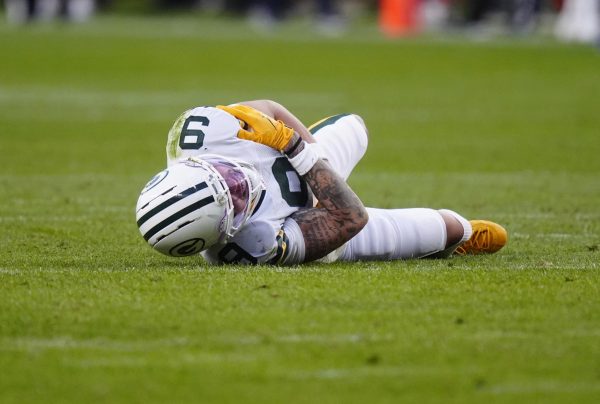
Although injury rates feel higher than in previous seasons, it is too early to tell whether the 2025-2026 season will be worse. However, many of the names on weekly injury reports have indeed been big ones. In addition to the players listed above, Lamar Jackson (Ravens), Joe Burrow (Bengals), Drake London (Falcons), Dak Prescott (Cowboys), C.J Stroud (Texans), Josh Jacobs (Packers), and Alvin Kamara (Saints), all starting players for the respective teams, have faced injuries this season. But what can the NFL do? Why are injury rates on the rise when common injuries such as concussions have decreased significantly?
One topic of interest is switching from artificial turf to grass. The primary concern with synthetic turf is the increased risk of non-contact injuries, specifically to the ankles and knees. This occurs because turf often traps players’ cleats. Additionally, the surface’s stiffness means that joints in the ankles and knees absorb more impact, while grass has more “give” and is therefore gentler on the players’ bodies.
Currently, 15 teams play on grass, while the other 17 continue to play on artificial turf. Many stadium owners continue to resist the switch to grass because of the revenue generated by various events, and because removing the field for these events is generally faster and easier with artificial turf.
As the league grapples with these pressing issues, the debate over player safety and the type of playing surface will likely continue to be a focal point in the coming seasons.